ServicesConventional Mortgage
Conventional Mortgage in Dearborn
A conventional mortgage is assembled from a few parts: the term, the rate type, the down payment and, sometimes, private mortgage insurance. We lay out how each choice changes your payment and your long-term cost, so the loan you close on fits the way you plan to live.

How conventional financing works and who it suits
A conventional mortgage is a home loan that carries no backing from a government agency. Instead it follows the guidelines published by Fannie Mae and Freddie Mac. It tends to suit borrowers with dependable income and credit in the fair-to-strong range. First-time buyers use it, move-up buyers use it for a larger property, and borrowers with an existing loan use it to refinance.
Its main strength is choice. You can pick a 30-year or 15-year term, a fixed or adjustable rate, and for some qualifying buyers a down payment as low as 3 percent. Mortgage insurance only enters the picture below 20 percent down, and unlike the coverage on many FHA loans, it can be removed down the road.
As a licensed mortgage broker, we can line up conventional offers from several lenders rather than pushing one product. When a different route fits you better, such as an FHA refinance or a jumbo loan for a higher-priced property, we say so directly.
What we handle on a conventional loan
A side-by-side of the loan parts
We build two or three versions of the same loan and change one element at a time. You can see how a bigger down payment or a shorter term shifts both the monthly payment and the interest paid over the years.
Pre-approval you can stand behind
Before we issue a letter, we review your income, savings and credit report with care. The result is a pre-approval that reflects a loan likely to reach closing, which gives sellers and their agents more confidence in your offer.
Private mortgage insurance planning
With less than 20 percent down, PMI comes into play. We explain how it is priced and the point at which you can ask for it to be removed. Seeing those numbers leads some borrowers to stretch their down payment a little further.
Rate lock and points guidance
We explain when locking makes sense and whether paying discount points is worth it for how long you expect to keep the loan.
Paperwork with e-sign
Most disclosures and loan documents can be signed electronically from wherever you are. Fewer in-person visits means fewer delays, and your file reaches the underwriter sooner.
Signs a conventional mortgage may be your best match
Your credit is in good shape
Conventional pricing rewards higher credit scores. If your score has improved over the past year or two, a conventional loan may now come in below what an FHA option would cost you.
You can put down 5 percent or more
A moderate down payment often makes conventional financing competitive, and every step toward 20 percent lowers or removes PMI.
You want mortgage insurance that ends
Conventional PMI can be canceled once your equity reaches the required level. For borrowers planning to hold the loan for many years, dropping that charge makes a real difference.
You are buying within conforming limits
Most purchase prices fall inside conventional loan limits. When a price goes past the conforming limit, a jumbo loan is the usual next step, and we can explain that option as well.
You carry an FHA loan with lasting insurance
If you have built equity on an FHA loan, refinancing into conventional can remove the monthly insurance charge that would otherwise stay with you.
How a conventional loan comes together
- 1
Consultation
We meet at our office or by phone or video. You tell us your goals and budget, and we ask about income, savings and debts.
- 2
Compare and choose
We gather quotes from a range of lenders, then go over how term, rate type, down payment and points pull against one another. You settle on the structure at your own pace.
- 3
Documents and appraisal
We collect your paperwork, most of it signed electronically. The lender orders an appraisal, and the older brick bungalows and colonials common around Dearborn tend to move through it smoothly when the file is complete.
- 4
Underwriting and closing
We answer underwriter conditions as they come in and keep you updated. At closing you review the final numbers against the estimate you started with.
What shapes the cost of a conventional mortgage
A conventional loan has no fixed price tag. Your rate and fees come from your own financial picture and from the choices you make along the way. We go over each factor with you before anything is locked, so the closing figures match what you expected.
- Credit score
- Lenders set conventional pricing in score bands. A small gain can lift you into a better band, which is why we sometimes suggest holding off a few weeks before locking.
- Down payment and equity
- Putting more money down shrinks the loan amount and lowers or removes PMI. Under 20 percent, what you pay for that coverage leans heavily on your credit.
- Term and rate type
- Choosing a 15-year fixed term generally brings a lower rate, though the monthly payment runs higher than on a 30-year loan. An adjustable rate opens lower and may move after the initial period.
- Points and lock period
- Discount points are paid at closing to bring the rate down. Locking for a longer stretch protects you from market moves but can add a small cost.
Conventional mortgage questions
Something not covered here? (313) 329-7056
What is the smallest down payment a conventional loan allows?
For some qualifying buyers, the floor is 3 percent, and many borrowers land around 5 percent. Reaching 20 percent removes PMI from the picture entirely. During your consultation we run the monthly payment at a few different down payment amounts, so the choice rests on actual figures.
When does private mortgage insurance come off?
Once your loan balance drops to 80 percent of the property's original value, you can usually ask to have it removed, provided your payments have been on time. At 78 percent it generally drops off without a request. Some lenders will also look at a new appraisal if the property has gained value.
Is a conventional loan better than FHA?
It turns on your credit and the size of your down payment. Borrowers with stronger scores often pay less over time with conventional, since its insurance can be removed. Borrowers with lower scores sometimes find FHA priced more favorably. We quote both and set the results next to each other.
Can I refinance into a conventional mortgage?
Yes. People refinance into conventional to lower their rate, shorten the term or shed FHA mortgage insurance. We weigh the expected monthly savings against the closing costs before suggesting it, so you know how long the refinance takes to pay for itself.
Do I have to come to your office?
No. You can meet us at our office or work with us by phone and video, and most documents are signed electronically. Some borrowers prefer one sit-down meeting along the way, and that is entirely up to you.
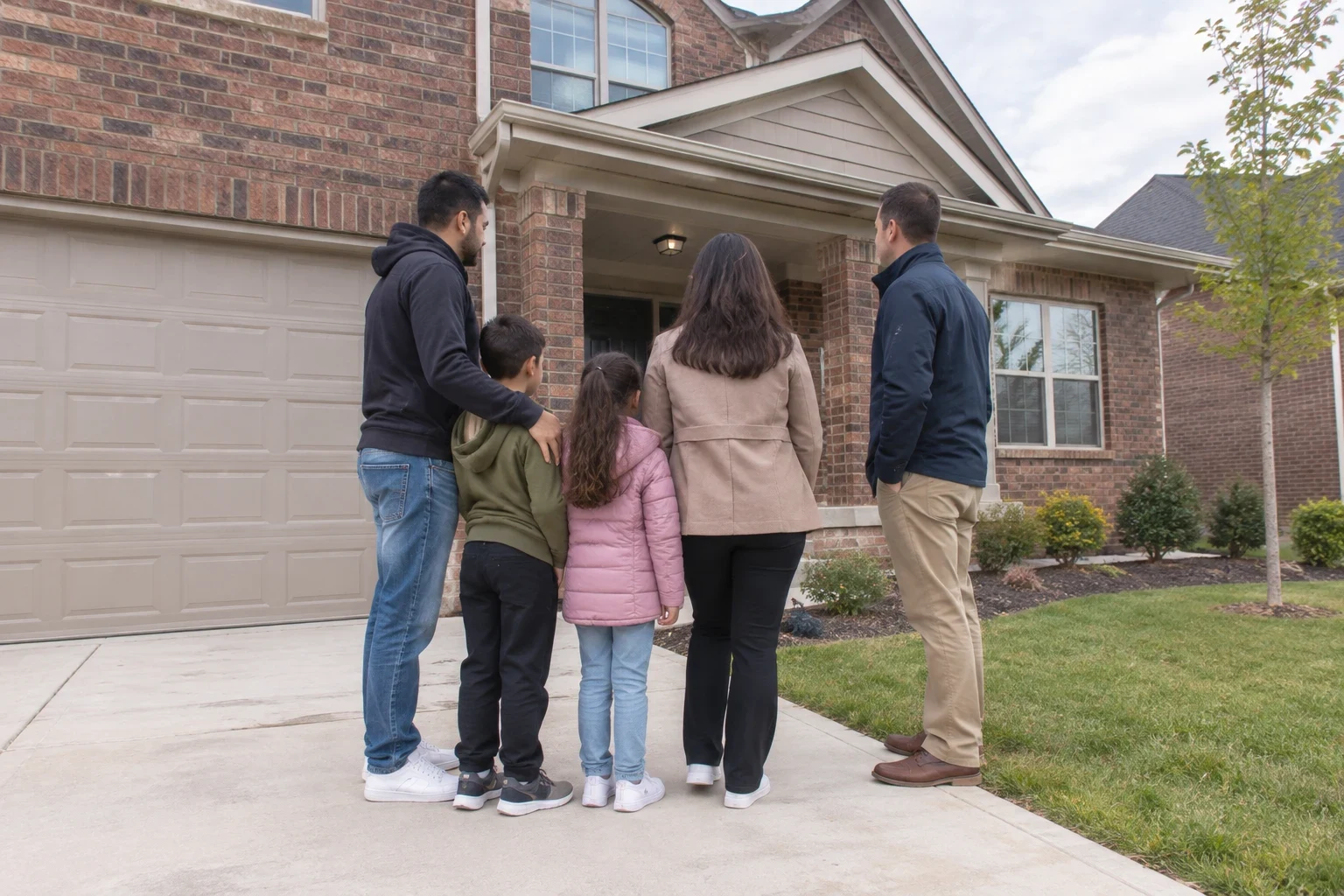
See your conventional loan options side by side
Bring your questions and a rough budget. We will walk through term, rate and down payment choices with you and help you decide which structure suits your plans.