ServicesHome Purchase Loans
Home Purchase Loans in Dearborn
We help you buy with a home loan that fits both the house and your budget. We lay out conventional, FHA and jumbo options side by side, explain what each one costs over time, and keep the file moving toward a closing date you can plan around.
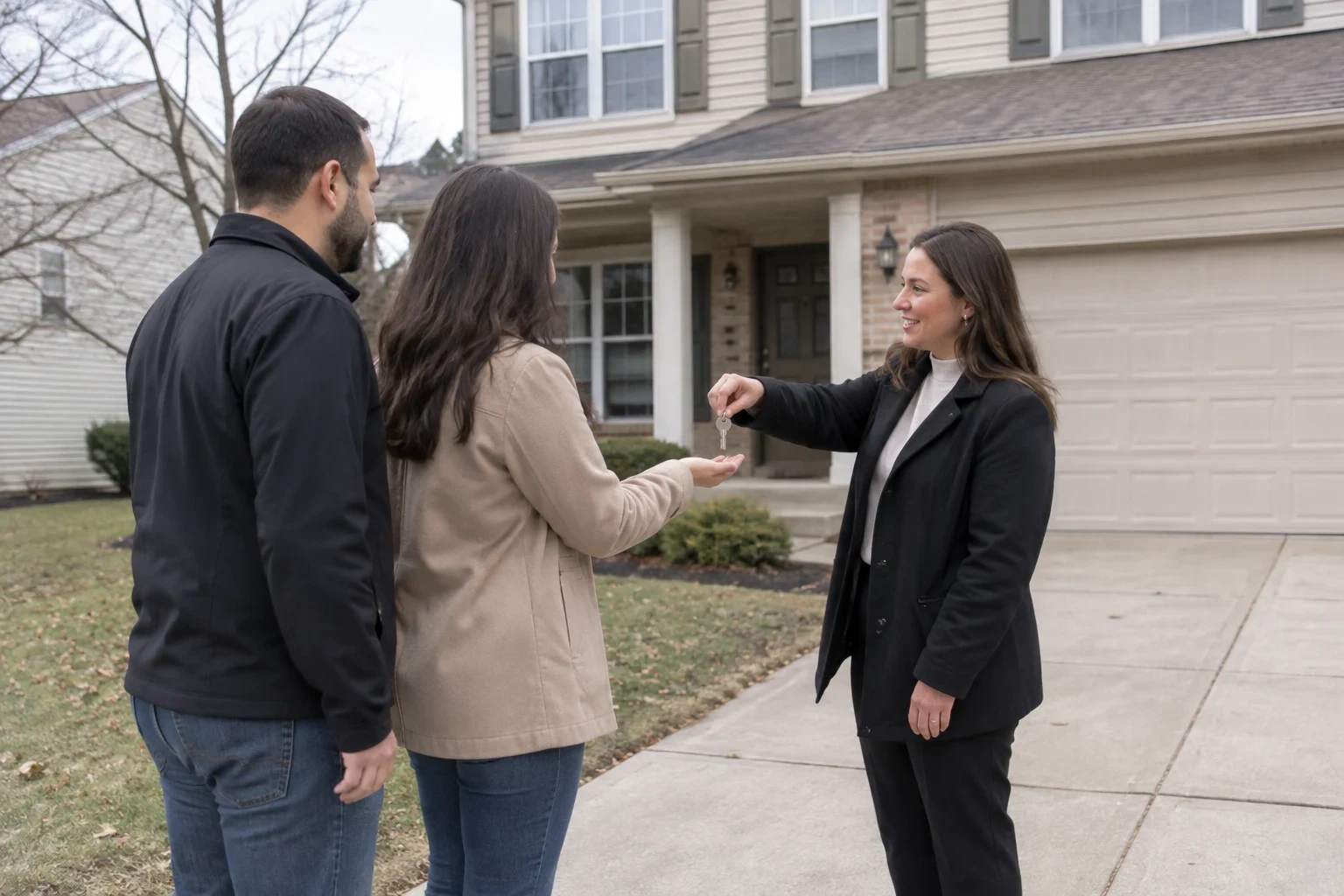
Choosing the loan before you choose the house
A purchase loan is built from a few parts: the program, the down payment, the rate and the way closing costs are paid. Each part can be swapped, and each swap changes the monthly payment and the cash you bring to the table. We show you those trade-offs in plain numbers, so you choose the whole combination instead of chasing the lowest headline rate.
We are a licensed mortgage broker, which means we can compare loan options from more than one lender rather than fitting you to a single menu. That matters most for first-time buyers stretching a down payment and for move-up buyers timing a sale against a purchase.
Much of the housing around Dearborn is older brick construction, so we talk early about how the appraisal and inspection can shape which program is the better fit.
What we handle on a purchase loan
- Programs priced against each other
- For the same purchase, we price conventional, FHA and, where the loan size requires it, jumbo financing. The rate, mortgage insurance and cash to close for each sit together on a single page.
- Weighing the down payment
- Five percent down and twenty percent down lead to different loans, not just different balances. We show how the rate, mortgage insurance and your remaining savings change at each step.
- A pre-approval backed by a real review
- Income, assets and credit are looked at before any letter goes out. When you hand it to a seller, it stands on a file that has been read.
- Realistic tax and escrow figures
- Michigan generally lets a property's taxable value reset upward after a sale, so the current owner's tax bill is often lower than yours will be. Your escrow projection starts from the expected post-sale amount rather than the figure on the listing.
- Title and signing kept close
- Our own team does the title work instead of passing it to an outside office. With E-Sign Technology, many of the loan documents can be reviewed and signed from a laptop or phone. Fewer hand-offs between companies leaves fewer gaps for a late problem to slip through.
When a purchase loan conversation makes sense
Open houses are on your weekends
Once you are bookmarking listings and walking through showings, a pre-approval shows which price range holds up before you get attached to a place beyond it.
Your lease renewal is coming
The end of a lease gives you a built-in deadline. Beginning two or three months early leaves room to fix a credit report mistake or let a large deposit settle into your account history.
You need to sell and buy together
Move-up buyers have two closings to coordinate. We weigh whether your current equity, a bigger down payment or a contingent offer suits your timing.
Gifts or uneven income are part of the plan
Gift funds, bonuses and self-employment income each carry their own paperwork rules. Sorting them out early keeps underwriting from stalling.
All you have is a single rate quote
A rate shown without its fees, points and mortgage insurance is only part of the picture. Give us a call and we will walk through the full cost with you.
From the first conversation to the closing table
- 1
Talking it through
By phone, video or at our office, we go over your price range, down payment and a monthly payment you are comfortable with. By the end you have a short list of loan options worth pricing.
- 2
Getting pre-approved
We gather proof of income, recent statements for the accounts holding your down payment, and a credit report. Once that file has been read through, we write a pre-approval letter you can attach to your offers.
- 3
Under contract and locking
With a signed contract, we choose the lender and program together, talk about when to lock the rate and order the appraisal.
- 4
Clearing conditions
Underwriting often comes back asking for a letter of explanation or another document. We spell out what they want and the reason behind it, so the file keeps moving.
- 5
Signing day
Because the title file never leaves our office, and electronic signing covers much of the paperwork, the closing itself tends to be short. You receive the closing disclosure ahead of time, so the final numbers are familiar before you sit down.

What moves the cost of a purchase loan
A mortgage costs more than its rate alone. Lender fees, mortgage insurance, prepaid taxes and title charges show up at closing, and some of them stay with you for years. We list each one in writing and point out which of your decisions changes it.
- Credit profile and existing debts
- Stronger credit scores and a lower debt-to-income ratio usually bring better pricing. They can also lower the cost of mortgage insurance.
- How much you put down
- On a conventional loan, a bigger down payment can drop private mortgage insurance and sometimes improve the rate. What you give up is the cushion of savings left after the move.
- The program you choose
- FHA financing accepts a smaller down payment but adds mortgage insurance both upfront and each year. Jumbo financing above conforming limits tends to ask for deeper reserves and a stronger credit file.
- Points and the lock period
- Buying points trades a larger check at closing for a lower rate over time. Holding a rate for more days shields you if the market shifts, though lenders often charge a bit more for that extra time.
- Escrow and the date you close
- The first deposit into escrow is set by the tax bill, the property insurance premium and which day of the month the closing falls on.
Questions buyers ask about purchase loans
Something not covered here? (313) 329-7056
How much should I plan to put down?
That varies with the loan program. Qualifying buyers can find conventional loans that start at 3 percent down, while FHA financing typically asks for 3.5 percent. A smaller down payment usually brings mortgage insurance, so we price a few levels side by side before you settle on one.
What separates a pre-approval from a prequalification?
A prequalification is often built on numbers you report yourself. Our pre-approval comes after we look at your actual documents and pull credit. Sellers tend to treat that letter more seriously when offers compete.
Does shopping more than one lender damage my credit?
Any effect is usually small and fades quickly. Most scoring models group mortgage inquiries made within a short shopping window and treat them as one, so asking several lenders for pricing does not multiply the hit. That is why we suggest doing your comparing within a few weeks rather than spreading it out.
How long until I can close?
The schedule depends on the contract date, the appraisal and how fast your paperwork comes in. We map out the dates at the start and call you as soon as anything puts the closing at risk.
Can you finance a purchase outside Dearborn?
Yes. We work with buyers throughout Dearborn and in nearby places like Dearborn Heights, Allen Park, Taylor and Westland. Taxes and insurance differ from one address to the next, so each property is priced on its own figures.
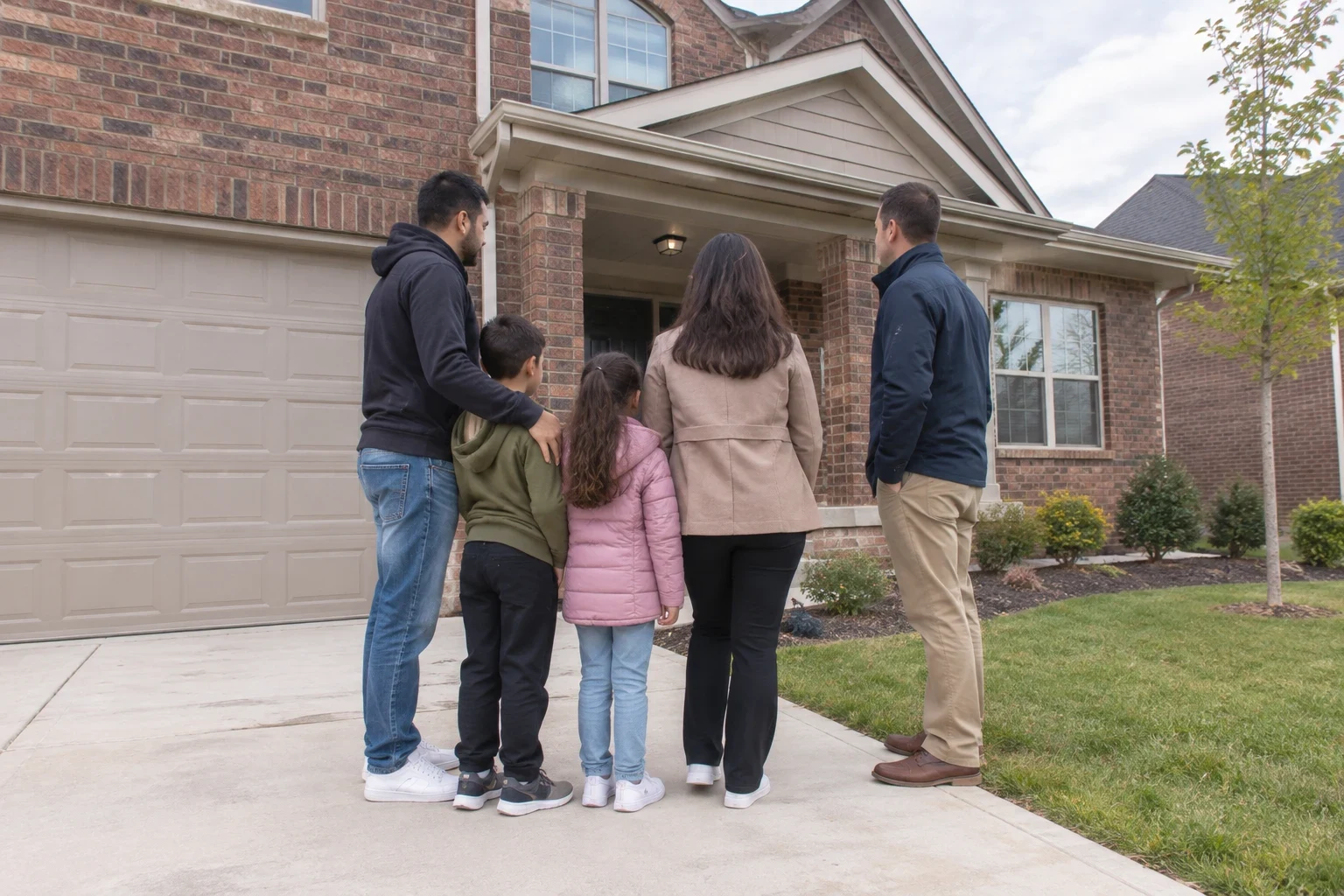
Start with a conversation about your loan options
Tell us the price range you have in mind and what you plan to put down. We will walk through the programs that fit and what pre-approval will take.